
Service Hotline
+86-15275306999
+86-15275306999
In the field of heavy transportation, trailers and semi trailers play a crucial role as indispensable and important tools. However, for non professionals, the difference between these two models may not be very clear. This article will comprehensively analyze trailers and semi trailers from multiple aspects such as definition, structure, operation mode, and application scenarios, to help readers better understand their similarities and differences.
Definition and Basic Differences
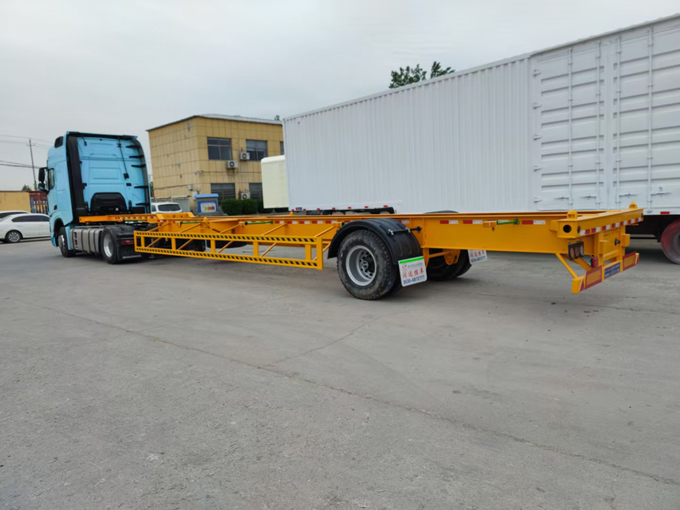
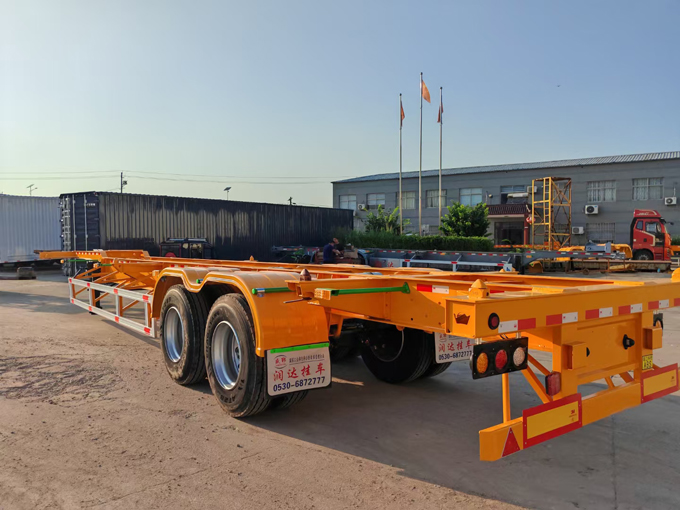
Trailer: A trailer is a type of vehicle without a power source, typically requiring a tractor (such as a truck, tractor, or forklift) to tow and move. Its main function is to load and transport goods, and it is an indispensable part of road transportation. The design and technical characteristics of a trailer determine that it must rely on other vehicles for towing in order to function properly.
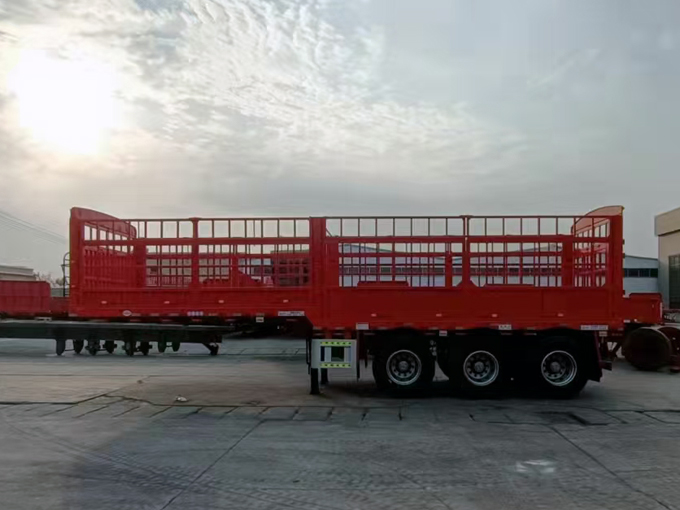
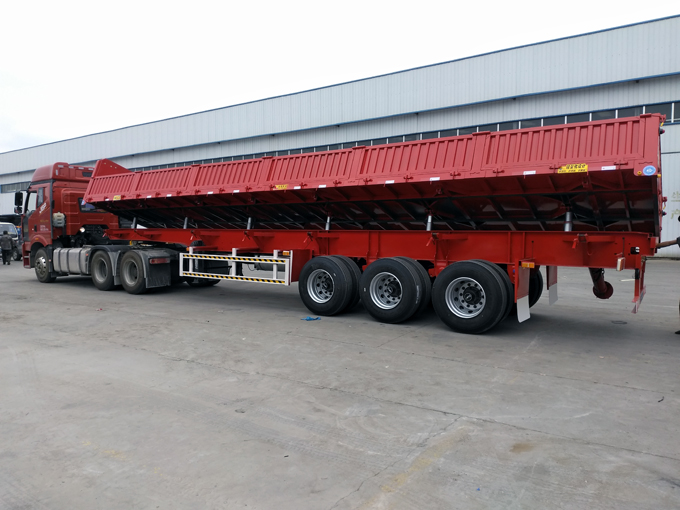
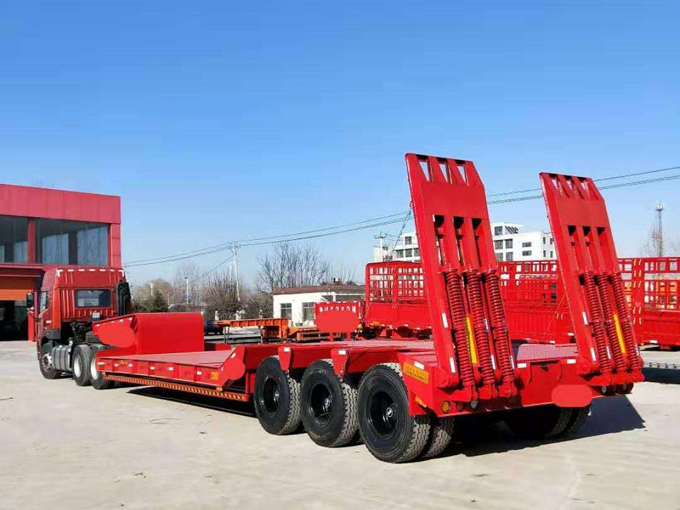
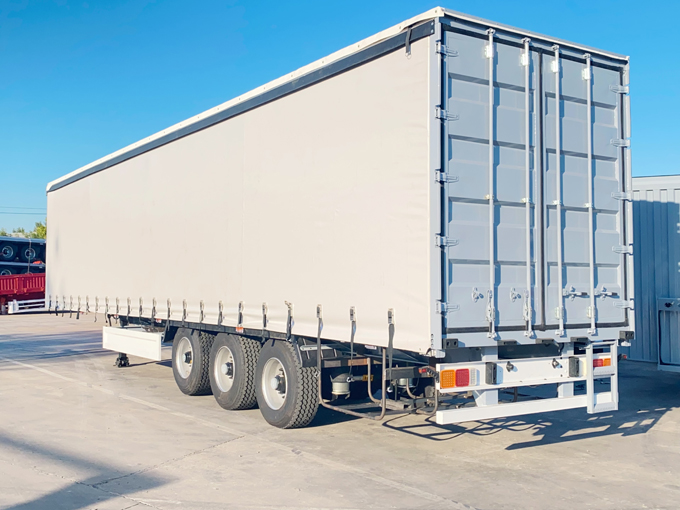
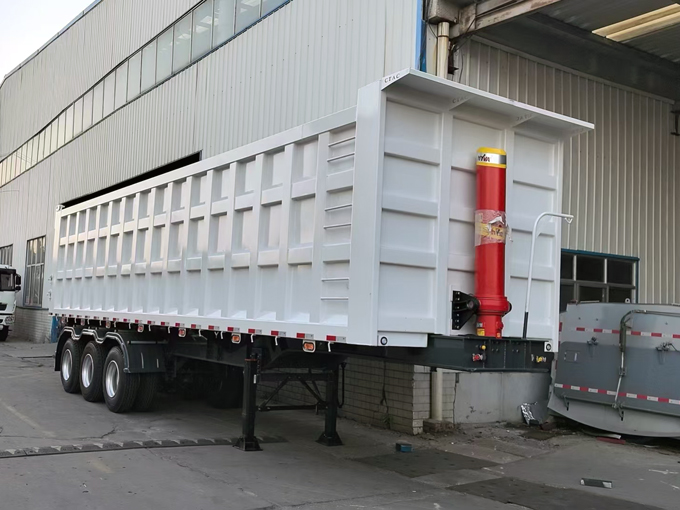
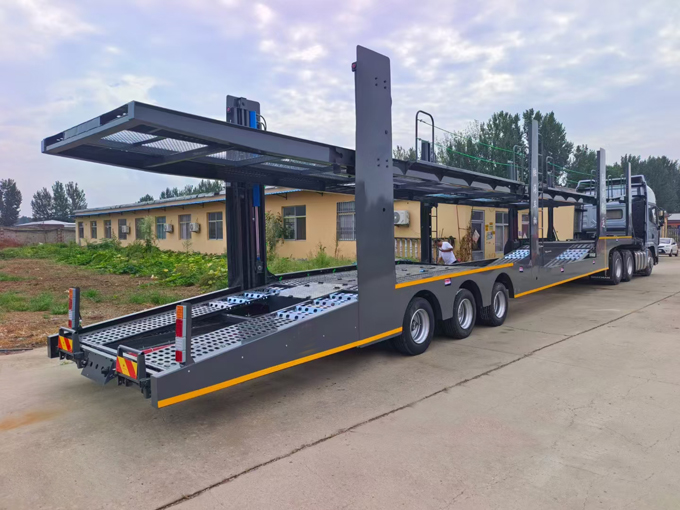
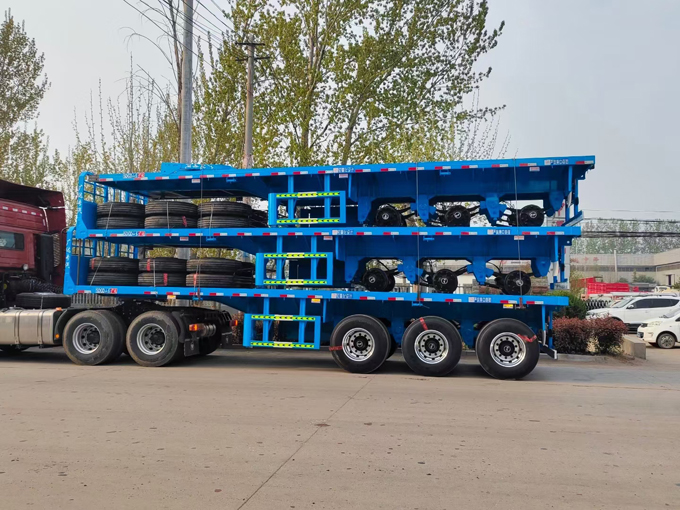
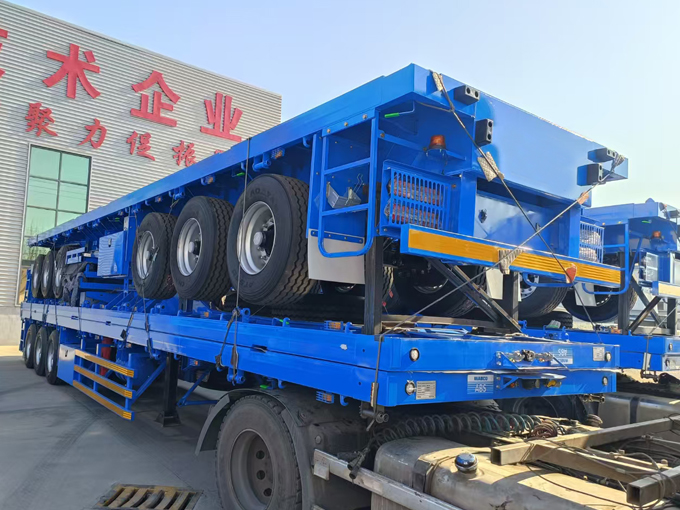
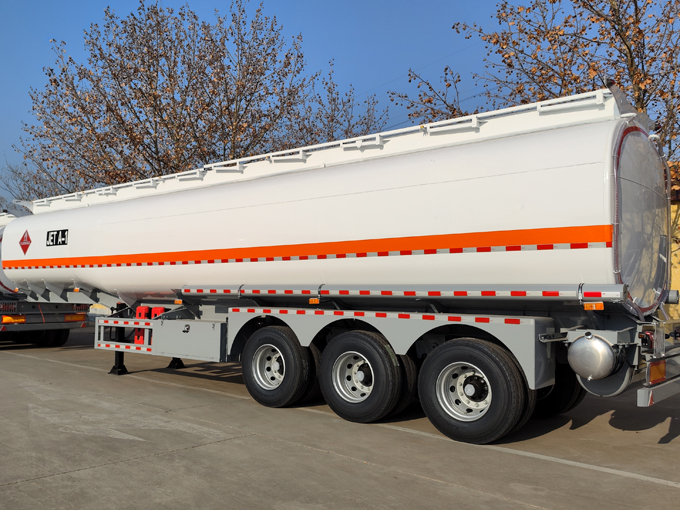
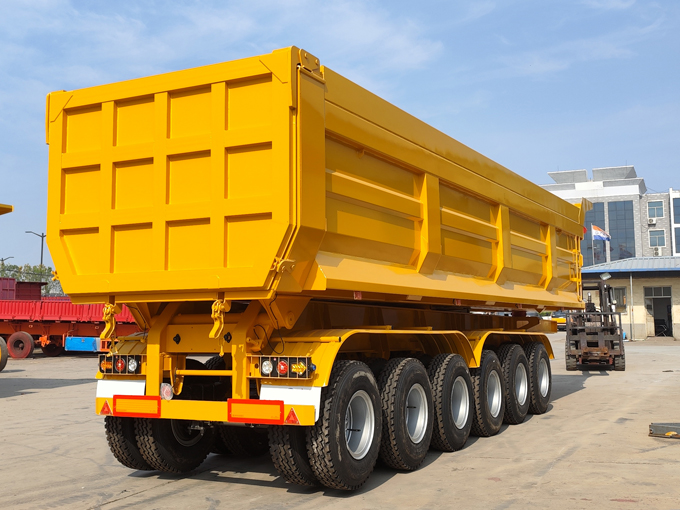
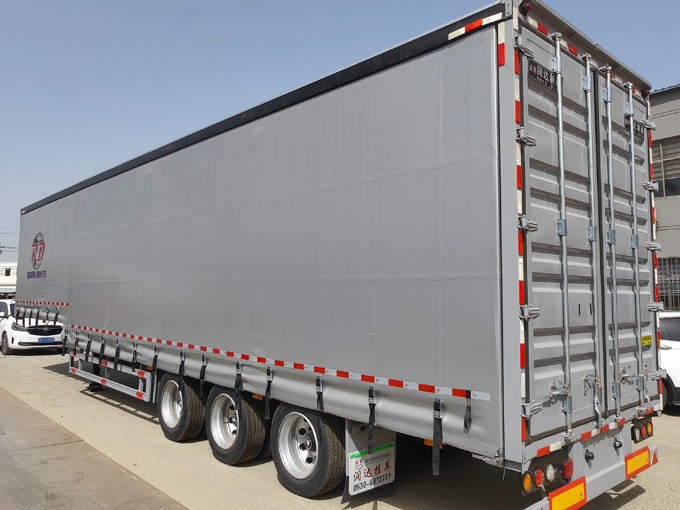
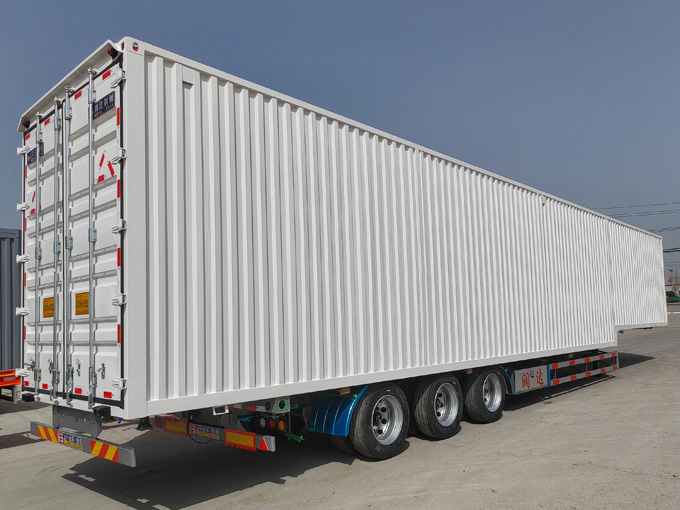
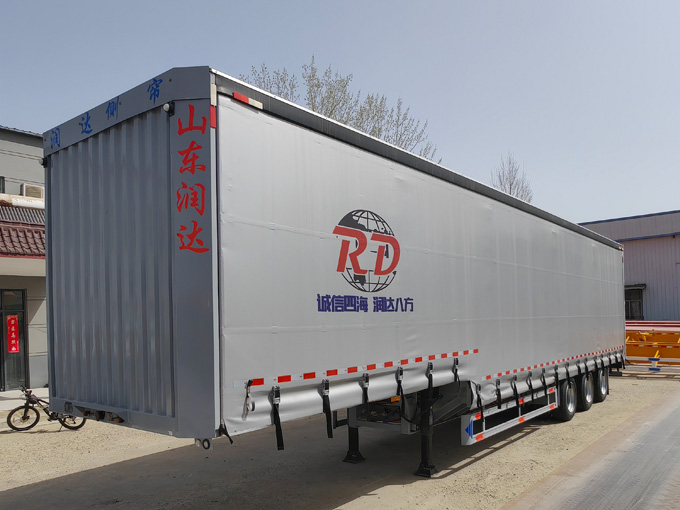
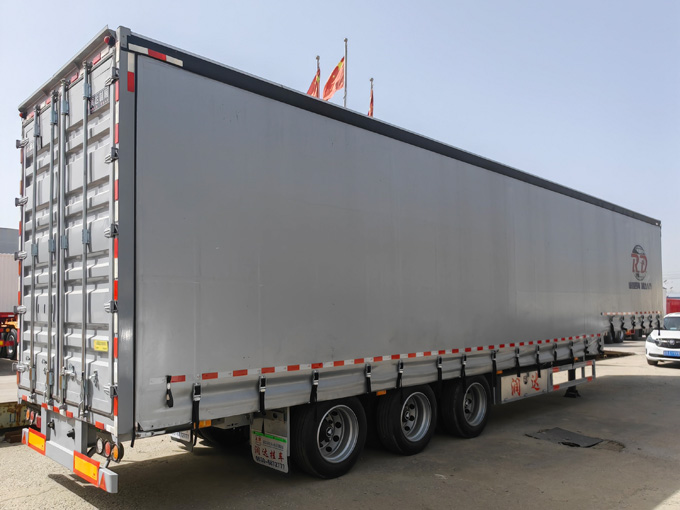
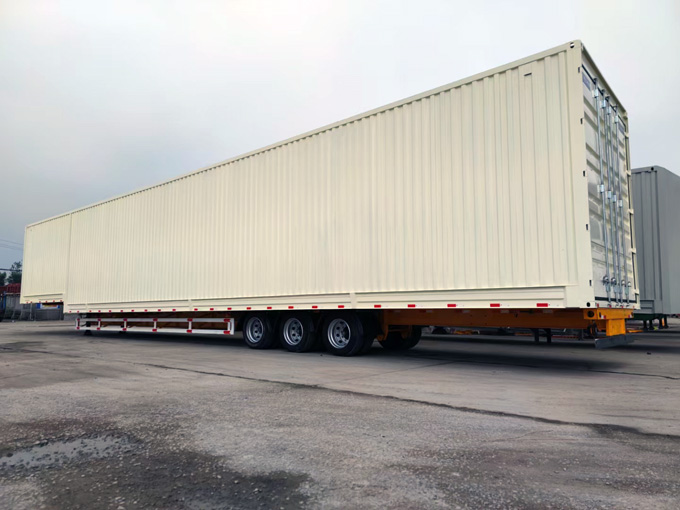
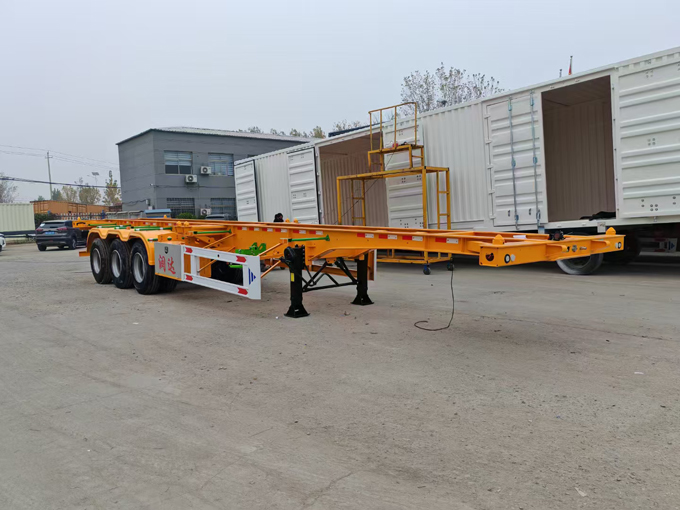
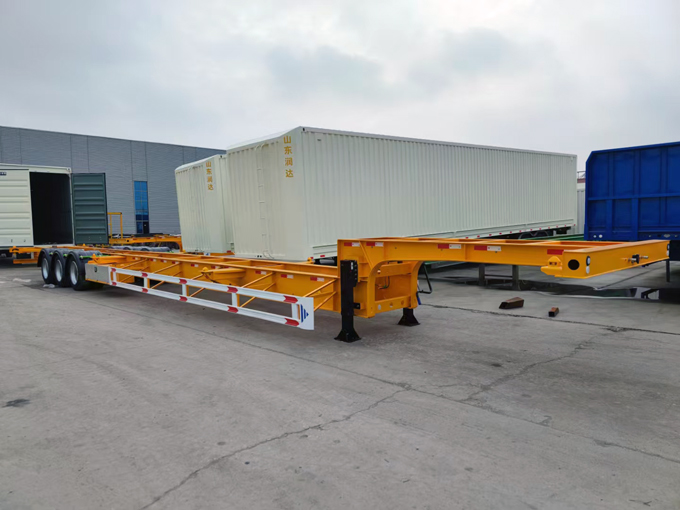
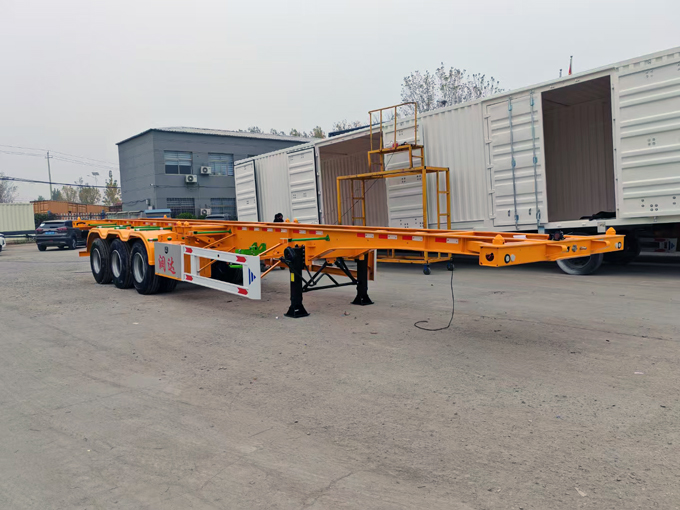
Semi trailer: A semi-trailer is a special form of trailer that is connected to a tractor in a more unique way. The front of a semi-trailer is connected to the tractor through a hook or connector, while its rear typically has one or more extendable support legs to maintain balance when stationary. The main function of a semi-trailer is also to transport goods, but its carrying capacity and transportation efficiency are often higher than ordinary trailers.
From a definition perspective, the main difference between trailers and semi trailers lies in their connection and support methods. Trailers rely entirely on the towing vehicle to drive, while semi trailers are connected to the towing vehicle through hooks and maintain stability at rest with their own support legs.
structural difference
Trailer: A trailer typically includes a carriage for loading cargo and a suspension device for stabilizing the suspension system. The size and shape of the carriage can be adjusted according to the needs of the cargo, while the suspension system is responsible for ensuring the stability and safety of the vehicle during operation. The length and width of trailers are limited by road and traffic regulations, so these factors need to be fully considered in the design.
Semi trailer: The structure of a semi-trailer is relatively complex, including not only the carriage and suspension system, but also a connector connected to the tractor and support legs used to support the vehicle. The compartment of a semi-trailer is usually longer and wider than that of a trailer to carry more cargo. At the same time, due to the need for semi-trailer to rely on support legs to maintain stability when stationary, the design and manufacturing process requires extremely high stability and reliability of the support legs.
Operation mode and application scenarios
Operation method: The trailer itself has no power source, so its operation relies entirely on the tractor. Drivers need to master the coordination operation skills between the tractor and trailer to ensure the stability and safety of the vehicle during driving. Although semi-trailer vehicles also require towing by a tractor, due to their support leg design, they can exist independently of the tractor when stationary. This enables semi trailers to have higher flexibility and convenience in certain specific scenarios, such as loading and unloading goods.
Application scenarios: Trailers and semi trailers are widely used in the field of road transportation, but they differ in specific application scenarios. Trailers are usually used in short distance transportation or urban distribution scenarios because of their relatively simple structure, convenient operation, and low cost. Semi trailers are more suitable for long-distance transportation or bulk cargo transportation scenarios. Due to its strong load-bearing capacity, high transportation efficiency, and good stability, semi-trailer has become the preferred vehicle model for many logistics companies and bulk cargo transportation companies.
Summary and Outlook
Trailers and semi trailers, as important tools in the field of heavy transportation, each have unique advantages and applicability. Trailers play an important role in short distance transportation and urban distribution due to their simple structure, convenient operation, and low cost; Semi trailers, on the other hand, dominate the fields of long-distance transportation and bulk cargo transportation due to their strong load-bearing capacity, high transportation efficiency, and good stability.
With the continuous advancement of technology and the rapid development of the logistics industry, the technical level of trailers and semi trailers is also constantly improving. In the future, we can look forward to the emergence of more intelligent, efficient, and environmentally friendly trailer and semi-trailer products, injecting new vitality into the development of the logistics industry. At the same time, we should also pay attention to the updates and improvements of relevant regulations and standards to ensure that trailers and semi trailers meet higher standards in terms of safety, environmental protection, and energy efficiency.
Copyright © Shandong Yuncheng Runda Trailer Manufacturing Co., Web:www.sdrdgc.com.cn sitemap
Service Hotline