
Service Hotline
+86-15275306999
+86-15275306999
Full trailer and semi-trailer are two common types of trailers in the field of cargo transportation, with significant differences in structural design, usage, functional characteristics, and applicable scenarios. Understanding these differences not only helps us better choose suitable transportation vehicles, but also improves transportation efficiency and ensures driving safety.
Differences in structural design
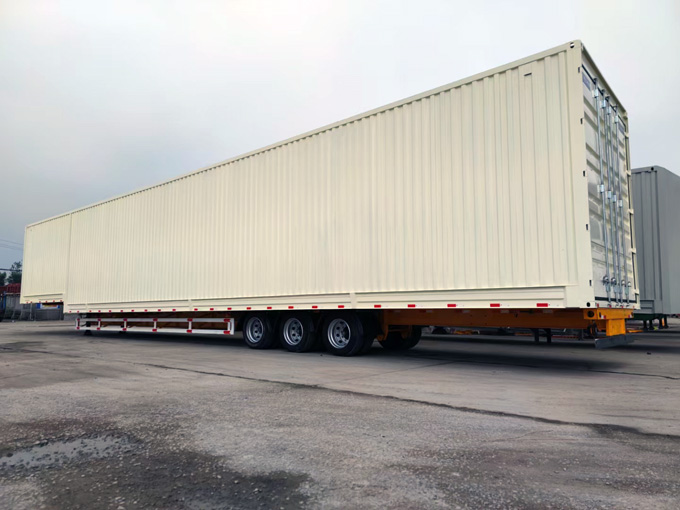
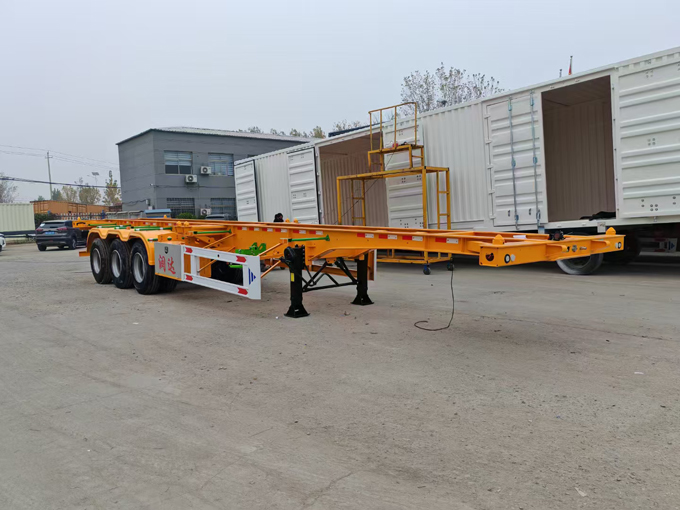
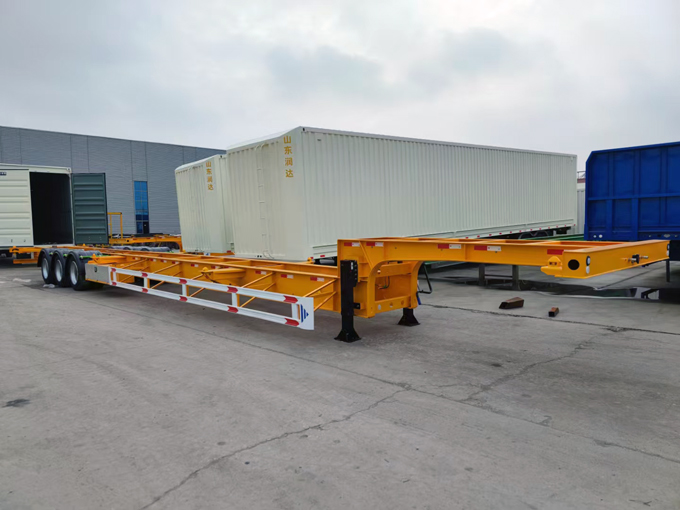
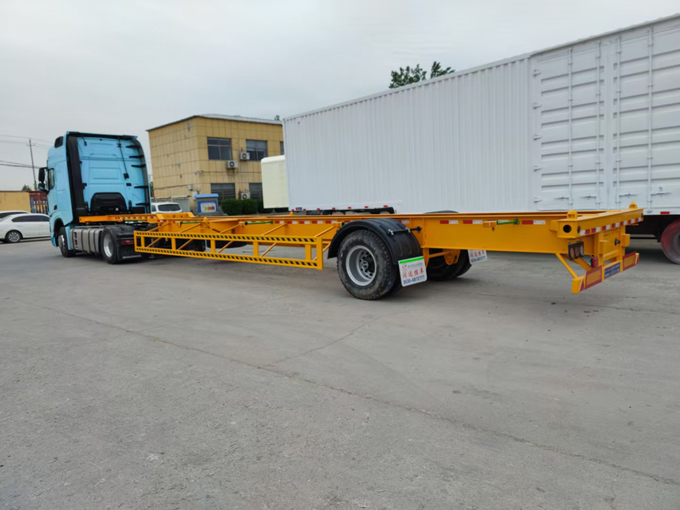
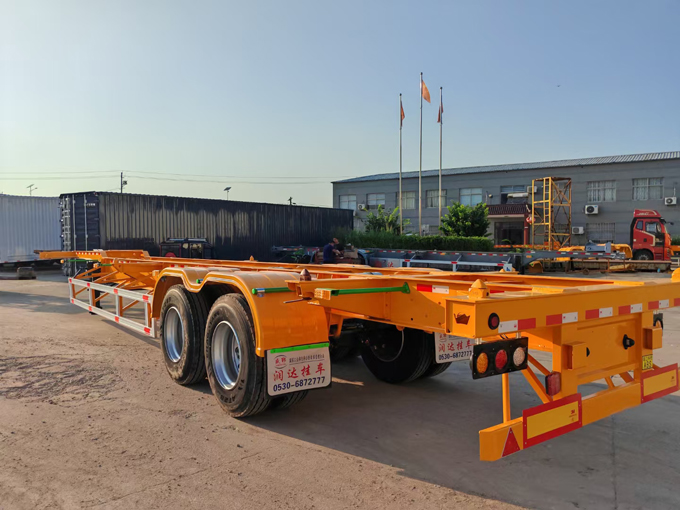
Firstly, in terms of structural design, there are significant differences between full trailers and semi trailers. A full trailer is a complete trailer compartment installed at the rear of a conventional car, which is connected to the main body of the car through a hook. This design allows the full trailer to independently bear weight and has more than two sets of wheels in the front and rear. Relatively speaking, a semi-trailer is composed of a tractor connected to a semi-trailer compartment behind it, and they are supported on the tractor through the semi-trailer's towing seat. When a semi-trailer is in motion, some of its weight is borne by the tractor, usually only the rear wheel set.
Specifically, full trailers are typically equipped with two axles and front wheels, allowing them to travel independently in certain situations. A semi-trailer, on the other hand, only has one axle and no front wheels. It must rely on the support and drive of the tractor to travel. In addition, the carriage of a full trailer includes numerous components such as the frame, body, traction device, steering device, suspension, driving system, braking system, and signal system, with a relatively complex structure. The semi-trailer is equipped with a coupling device at the rear of its center of gravity (when the vehicle is evenly loaded), which can transmit horizontal or vertical forces to the tractor and has a relatively simple structure.
Different usage methods
Due to structural differences, there are significant differences in the usage of full trailers and semi trailers. Due to its independent load-bearing capacity and front wheels, a full trailer can better cope with complex road conditions and high vehicle handling requirements. Therefore, in scenarios where the transportation weight is large, the road conditions are poor, or complex terrain needs to be traversed, choosing a full trailer would be more appropriate. For example, in mountainous areas, hilly regions, or transportation tasks that require crossing complex terrains, full trailers can demonstrate higher adaptability and stability.
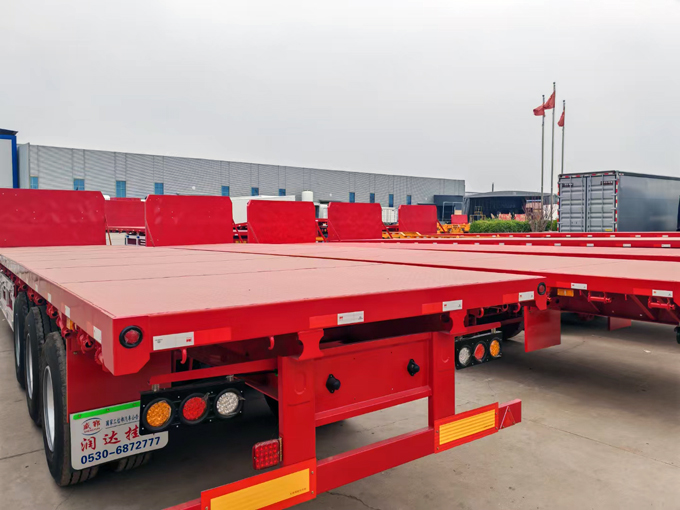
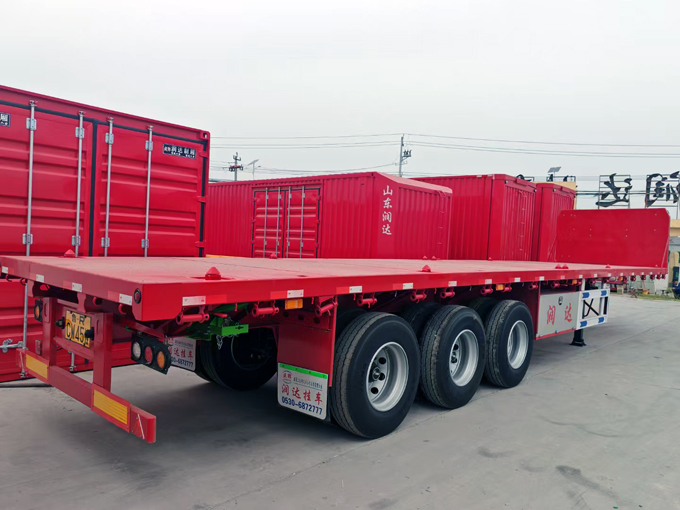
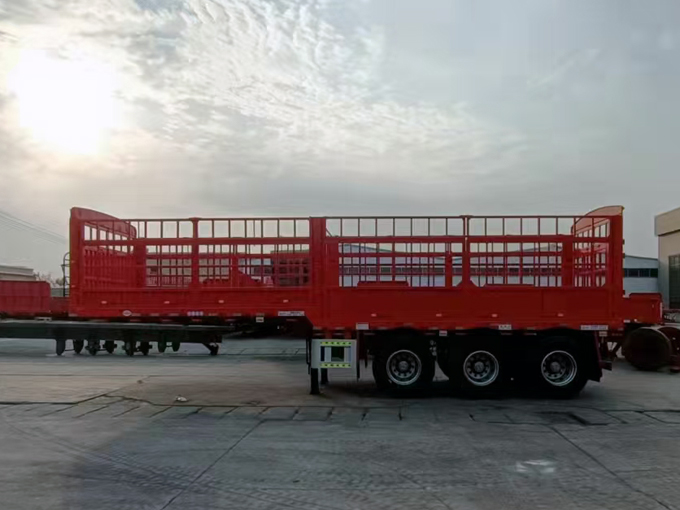
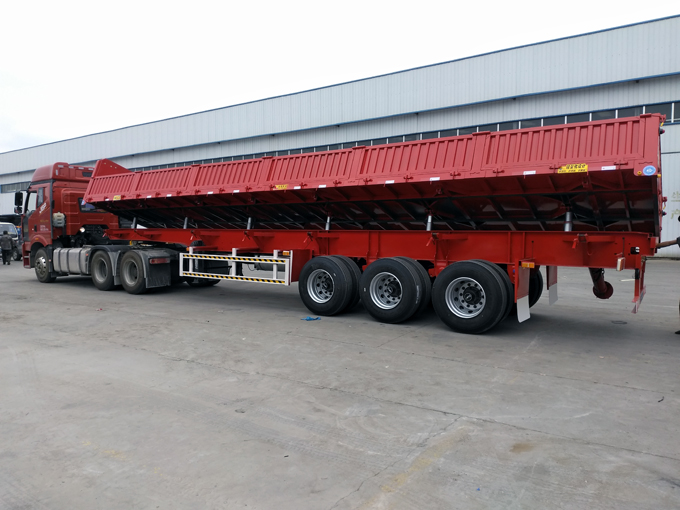
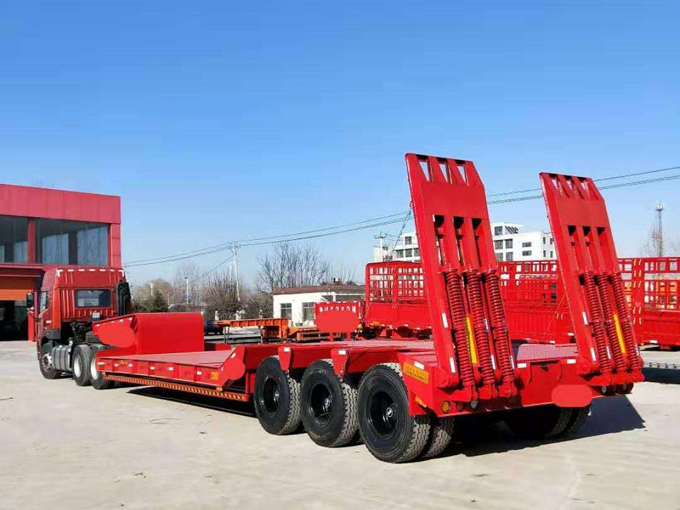
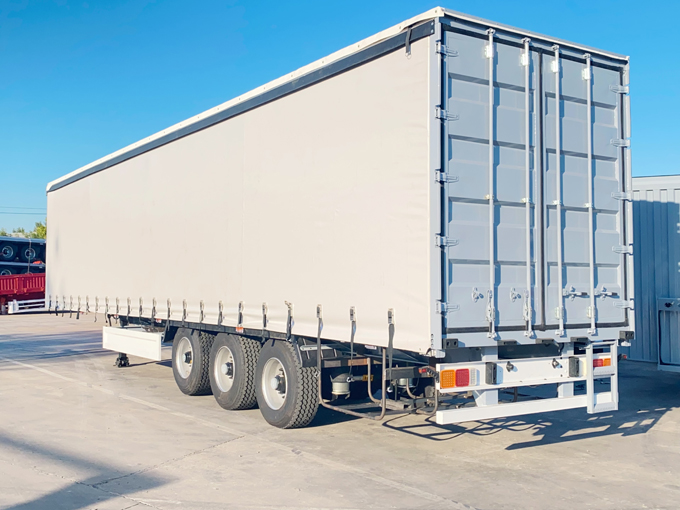
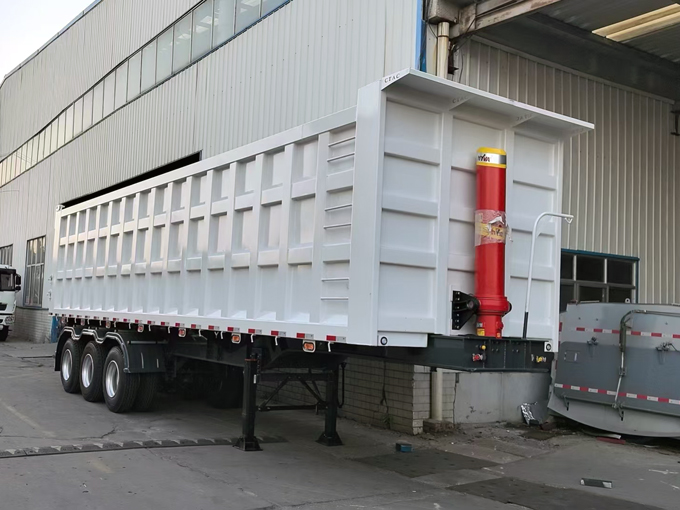
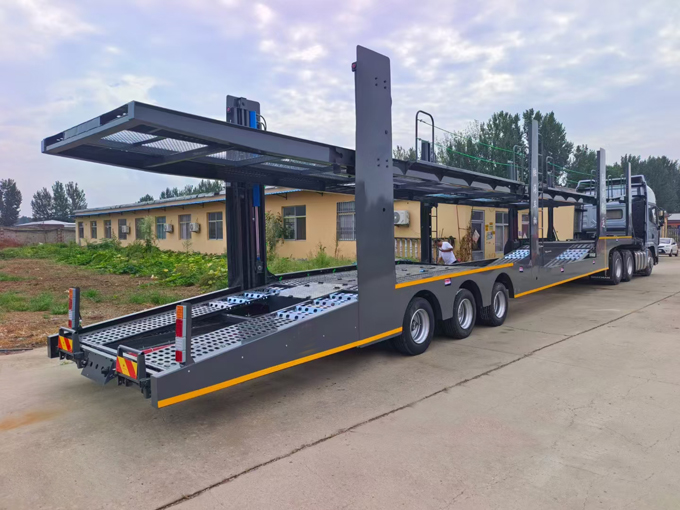
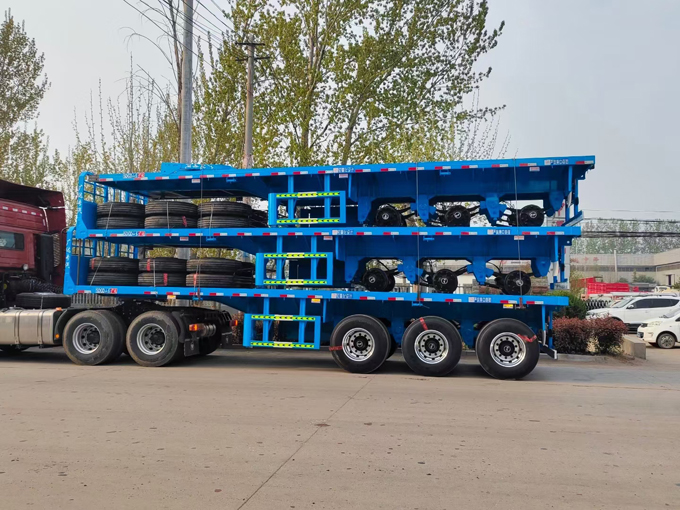
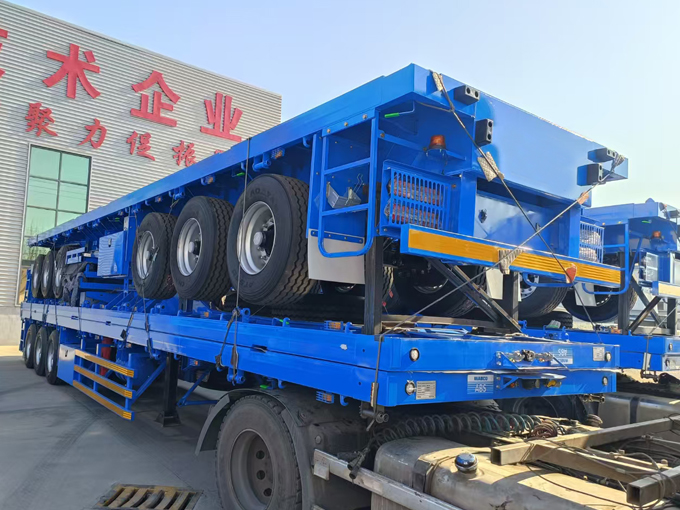
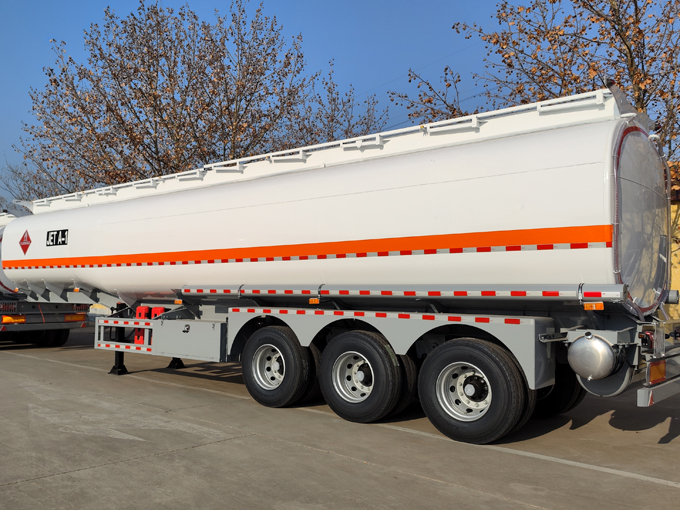
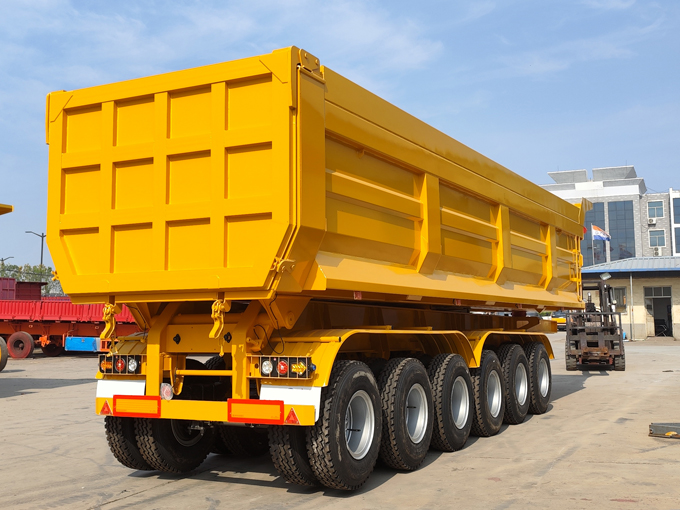
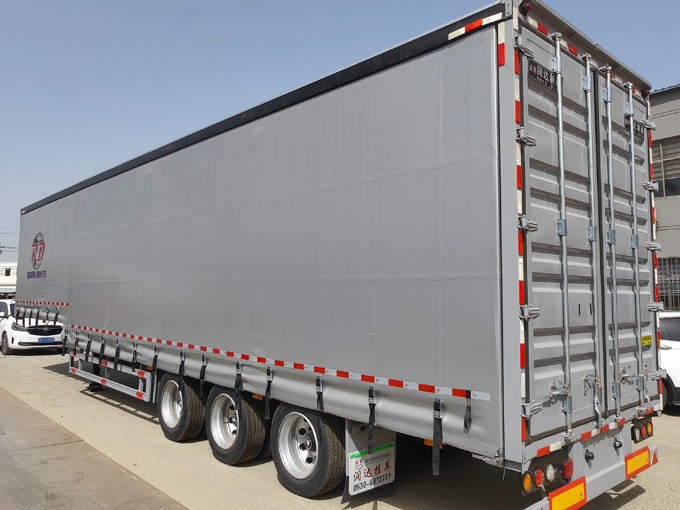
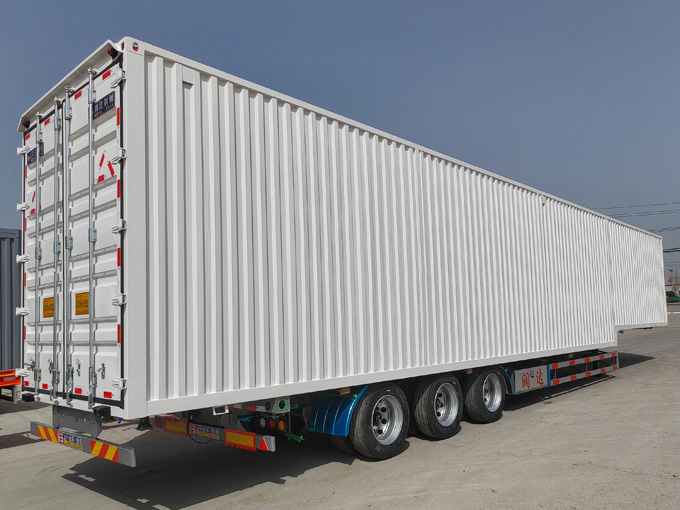
Semi trailers, on the other hand, are suitable for logistics distribution within cities or transportation on relatively flat roads due to their relatively simple structure and more flexible and practical characteristics. The connection between the semi-trailer and the tractor enables it to better follow the movements of the tractor and maintain stability during driving. In addition, the compartment of the semi-trailer can be customized according to different transportation needs, such as tank semi-trailer, flatbed semi-trailer, dump semi-trailer, etc., to meet the transportation needs of different goods.
Differences in functional characteristics
In addition to differences in structural design and usage, full trailers and semi trailers also have different functional characteristics. Due to its independent load-bearing characteristics, full trailers can carry larger weights and have better passability and stability. This gives full trailers significant advantages in long-distance transportation, heavy-duty transportation, and transportation tasks that require crossing complex terrains. At the same time, the carriage of the full trailer can be expanded or contracted as needed to accommodate different sizes and shapes of goods.
Semi trailers, on the other hand, offer greater flexibility and practicality in terms of added weight. Its carriage can be quickly replaced or adjusted according to different transportation needs to accommodate different types of goods. In addition, the connection between the semi-trailer and the tractor enables it to better cooperate with the tractor during driving, improving the stability and safety of driving. At the same time, semi trailers also have good fuel economy and environmental performance, which meets the requirements of modern transportation industry for energy conservation and emission reduction.
Copyright © Shandong Yuncheng Runda Trailer Manufacturing Co., Web:www.sdrdgc.com.cn sitemap
Service Hotline